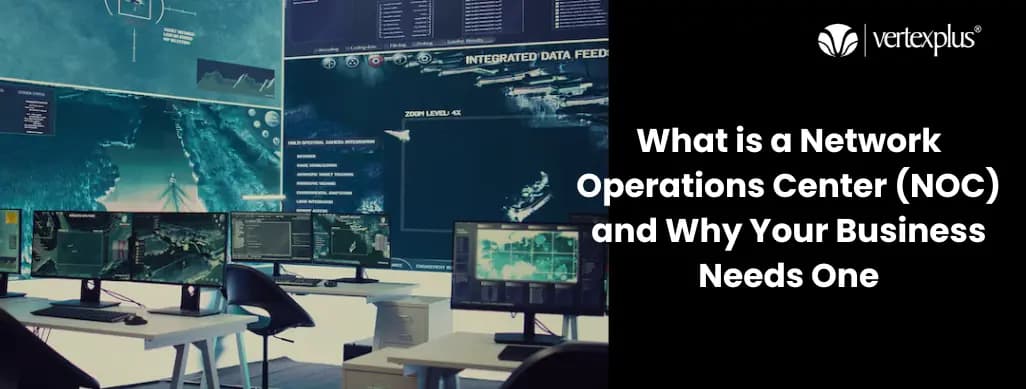
A NOC keeps watch over your network around the clock, catching problems before they become 2:30 AM outages that cost revenue and trust.
Imagine your website crashing at 2:30 AM. Who is watching over your network while you sleep? For any business that depends on always-on infrastructure, that question defines the stakes. A Network Operations Center exists precisely so that someone, and something, is always on guard.
Understanding the Role of a NOC
A Network Operations Center is a centralised facility made up of skilled IT personnel focused on monitoring and maintaining network infrastructure. Its defining strength is a proactive rather than reactive approach: instead of scrambling after an outage, NOC teams detect and address issues before they escalate into costly failures.
Key Functions of the NOC
- Real-time network monitoring.
- Alert and incident management.
- Root cause analysis.
- Infrastructure maintenance.
- Reporting and analytics.
Top Business Benefits of Having a NOC
- Reduced downtime.
- Improved security posture.
- Performance optimisation.
- Scalability as the business grows.
- Cost savings over the long term.
Who Needs a NOC, and Should You Outsource?
E-commerce platforms, SaaS companies, healthcare providers, financial institutions, and managed service providers all rely on continuous uptime, making a NOC essential. When deciding between an in-house and an outsourced NOC, each approach has trade-offs, but outsourcing typically offers better value for mid-sized businesses that lack the scale to staff a 24/7 team internally.
Conclusion
In a digital-first economy, a NOC is a strategic infrastructure asset rather than a luxury. Paired with the right consulting support, it helps businesses stay resilient, secure, and available to their customers no matter the hour.