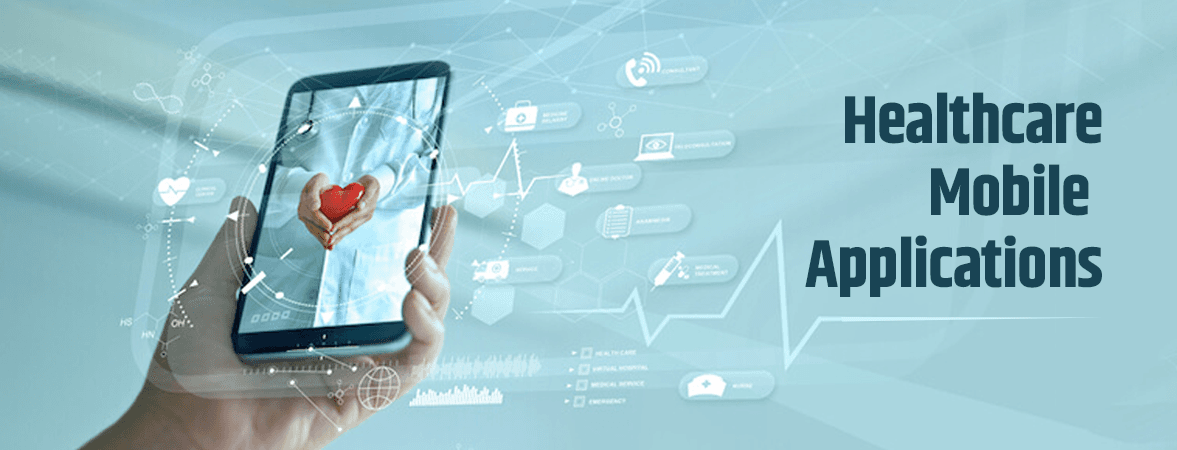
Mobile apps are transforming healthcare by improving access to records, coordination among providers, and faster emergency response for better patient outcomes.
The healthcare sector has undergone significant transformation through mobile app innovation. As smartphones are relied upon for more purposes, mobile applications are revolutionizing healthcare delivery, easing access to medical records, supporting emergency response, streamlining operations, and improving patient outcomes.
Types of Healthcare Mobile Applications
- Patient apps: access health records, locate doctors, refill prescriptions, track vitals, and hold video consultations.
- Provider apps: e-prescriptions, scheduling, medical reference tools, record keeping, and telemedicine.
- Medical tools and diagnostic apps: connected stethoscopes, imaging tools, and remote monitoring using phone cameras and sensors.
- Wearable and medication management apps: smartwatches and trackers for vitals, plus schedules, reminders, and refill management.
- Fleet and public health apps: hospital equipment scheduling and population-level disease surveillance and outbreak alerts.
Immediate Access and Coordination
Patients can access electronic health records, test reports, and prescriptions anytime, schedule appointments, and track treatment progress, while physicians stay reachable through video consultations. Applications also improve coordination among doctors, nurses, and staff through shared calendars and real-time records, connecting providers, pharmacies, labs, and insurers for streamlined care.
Data Storage and Business Value
Mobile apps facilitate the migration from paper-based records to secure electronic health records, centralizing complete patient histories, diagnoses, treatments, and lab reports to support analytics and clinical decision-making. They also create revenue channels through virtual consultations, subscription models, and targeted offerings tailored to specific user segments.
Efficient Emergency Handling
Emergency responders can access up-to-date medical histories during ambulance rides, while telemedicine consultations between paramedics and emergency room physicians provide instant guidance. Real-time sharing of hospital bed and lab availability enables faster, smoother patient handoffs.
Conclusion
Healthcare mobile applications represent a significant turning point for the industry, enabling virtual and personalized care that empowers patients, doctors, and stakeholders alike. Though security and infrastructure challenges remain, continued innovation and expanding 5G networks promise increasingly connected, streamlined, and cost-effective healthcare delivery.