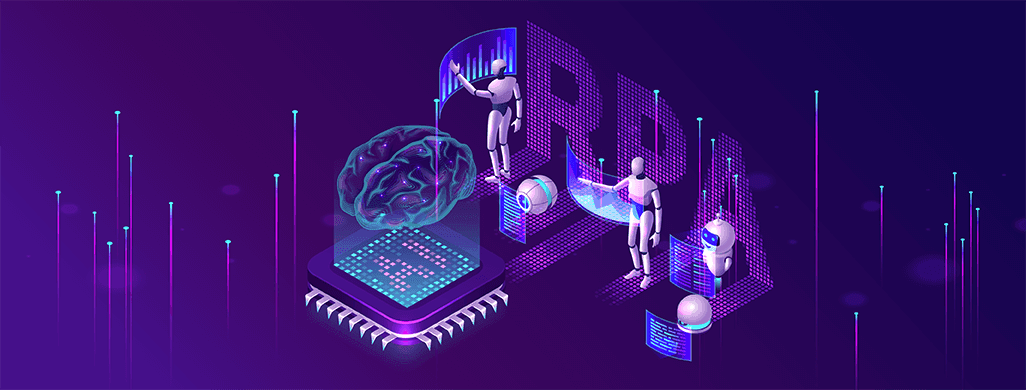
AI and RPA both cut costs and boost efficiency, but they work differently. Learn how they differ, how they combine, and when to use each.
RPA and AI are two transformative technologies driving enterprise growth by reducing costs, minimizing human dependencies, and increasing efficiency. As organizations launch digital transformation initiatives, a common question arises: which technology should you prioritize? Understanding how the two differ and where they overlap is the first step to answering it.
How Does AI Differ from RPA?
AI handles complex processes that require cognitive decision-making across large datasets. It can go beyond execution to thinking, such as understanding documents, visualizing screens, comprehending conversations, and processing unstructured data. RPA, by contrast, manages repetitive rule-based tasks efficiently but cannot learn or adapt when processes change.
Understanding Intelligent Automation
Intelligent automation combines AI and RPA capabilities to create digital workers. These systems handle repetitive tasks in real time while freeing human employees to focus on creative and strategic work, delivering more value than either technology alone.
RPA Services and Best Practices
RPA excels at rule-based processes that do not change significantly, handling tasks like logging into applications, copying data, extracting structured content, processing emails, and web scraping.
- Focus on clear outcomes rather than following trends
- Treat each technology as a digital worker with a distinct skill set
How AI and RPA Can Work Together
Combining RPA with AI disciplines such as natural language processing creates possibilities for automating complex end-to-end processes and layering in predictive insights. The best strategy is to start with easily mapped processes using RPA, then add AI for complex workflows involving unpredictable outcomes, variable steps, or unstructured data.
Conclusion
AI already supports healthcare readmission predictions, retail pricing optimization, and financial fraud detection, and it pairs naturally with RPA to automate more of the enterprise. Organizations that want to integrate RPA and AI effectively should consult specialized companies to ensure a seamless, well-planned implementation.